
Renewable Energy Projects
Ecology Services for Renewable Energy Projects
Specialist ecological consultancy for renewable energy projects across the UK, including solar, wind, battery storage and grid infrastructure. From feasibility through to construction and habitat management.
Supporting Renewable Energy Projects with Practical Ecological Expertise
Renewable energy development plays a central role in the transition towards a lower-carbon future, but the way these sites are designed and managed also has important implications for biodiversity.
As Biodiversity Net Gain becomes embedded within the planning system, renewable energy projects are increasingly expected not only to avoid ecological harm, but to demonstrate meaningful long-term environmental enhancement. For many schemes - particularly solar developments - this can create significant opportunities for habitat creation, species recovery and lower-intensity land management.
The Ecology Co-op provides specialist ecological consultancy services for renewable energy developments across the UK, supporting projects from early feasibility through to planning, construction and long-term habitat management.
We work across a wide range of renewable energy schemes, including solar farms, battery energy storage systems (BESS), onshore wind, cable routes and associated infrastructure. Our ecologists provide pragmatic, commercially aware advice that helps developers navigate ecological constraints while delivering successful projects.
We understand the pace and complexity of renewable energy development and work closely with multidisciplinary teams to balance ecological considerations with programme deadlines, planning requirements and project viability.
Renewable Energy Sectors We Support
-
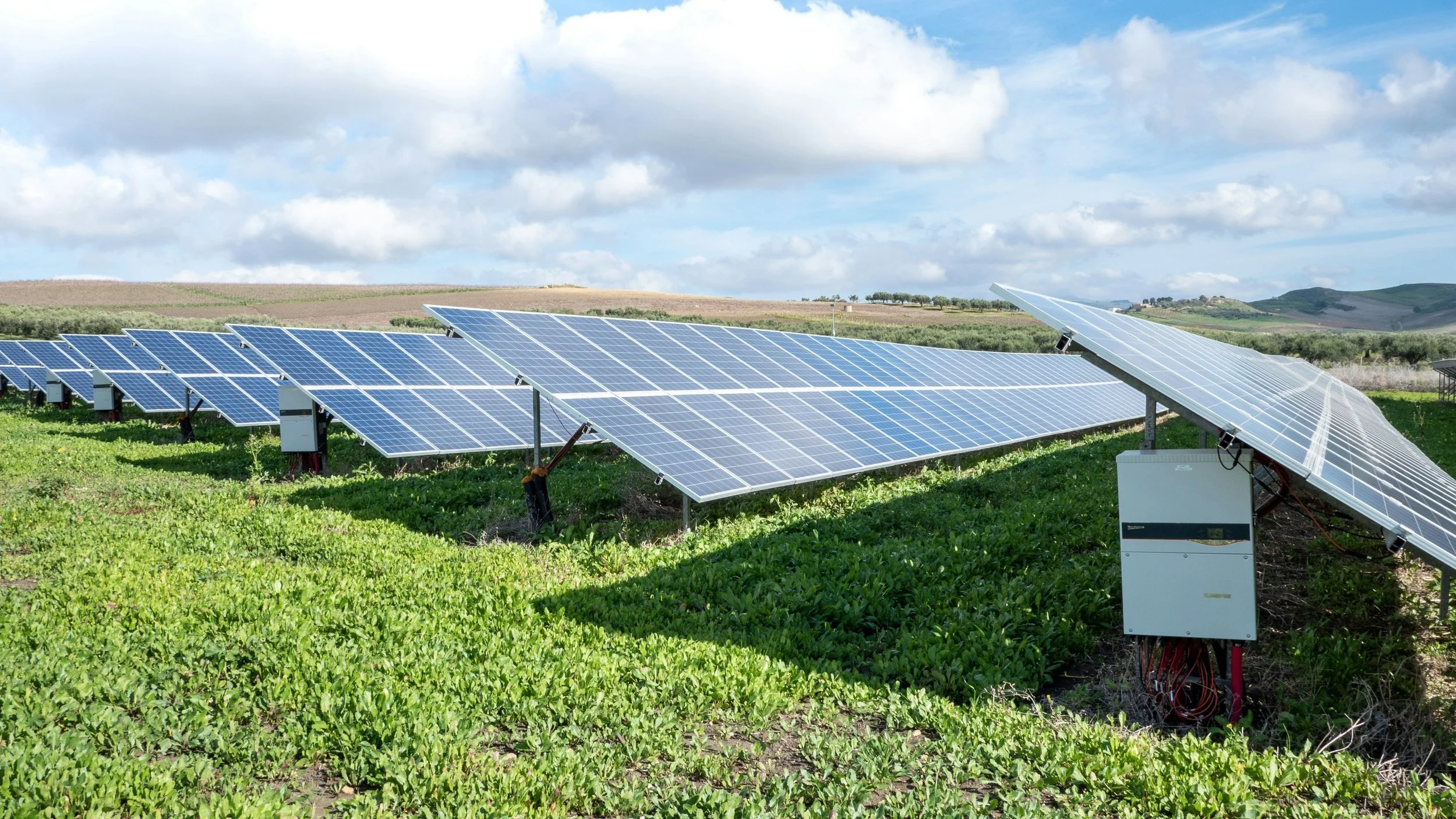
Solar farms are increasingly demonstrating how renewable energy generation and biodiversity enhancement can work together when sites are carefully designed and managed.
Many solar developments are located on intensively managed arable land or improved grassland. Over the operational lifetime of a solar farm - typically 25 to 30 years - land management often shifts away from regular ploughing, reseeding and chemical inputs towards lower-intensity grassland management, grazing regimes and habitat creation.
Recent monitoring work across UK solar sites has shown clear associations between diverse habitat management and increased abundance of plants, pollinators and birds, including notable farmland species. Outcomes vary significantly between sites, but management approaches such as conservation grazing, species-rich grassland establishment, hedgerow enhancement and varied habitat structure can substantially improve ecological value over time.
We provide ecological support for utility-scale and private solar developments, including Preliminary Ecological Appraisals (PEAs), protected species surveys, Biodiversity Net Gain (BNG), Ecological Impact Assessments (EcIA) and ongoing ecological monitoring.
Our ecologists work closely with developers and design teams to identify ecological constraints early, minimise impacts and deliver realistic, measurable biodiversity enhancements alongside renewable energy generation.
-
Battery storage developments can present a range of ecological considerations depending on their location and surrounding habitats. We help developers assess ecological risks, satisfy planning requirements and implement mitigation and enhancement measures proportionate to the scale of the scheme.
-
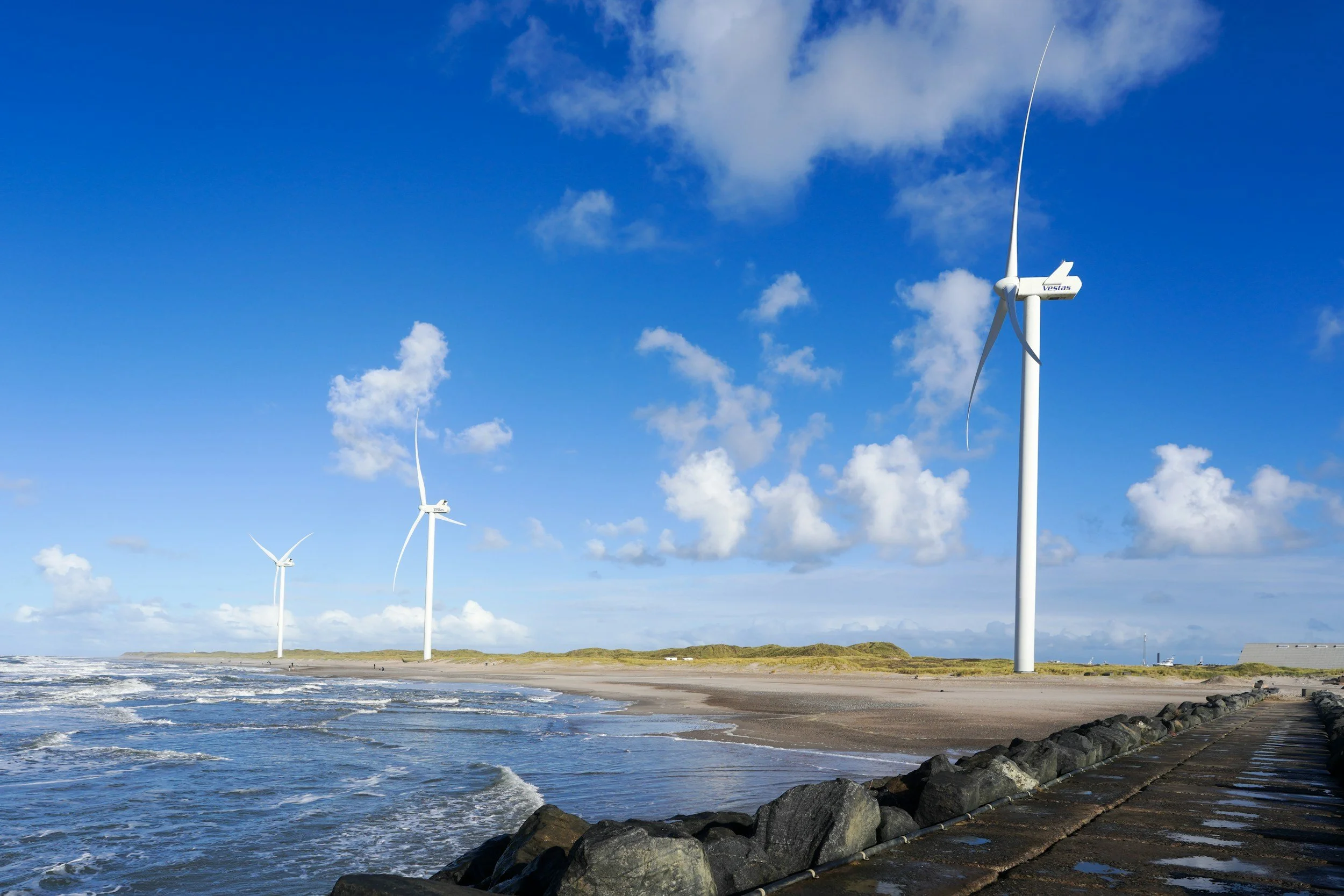
Wind energy projects often require detailed ecological assessment due to potential impacts on habitats, bats and birds. Our team has experience supporting projects through survey design, impact assessment, mitigation planning and post-construction monitoring.
-
Associated infrastructure such as substations, cable corridors and access routes can have significant ecological considerations. We provide ecological support for linear infrastructure projects, including habitat surveys, protected species assessments and construction-phase ecological advice.
Related topics
How to Create a Habitat Bank in West Sussex
With Biodiversity Net Gain (BNG) now a mandatory requirement for most development under the National Planning and Policy Framework (NPPF) and the Environment Act 2021 (10% net gain)…
How Solar Farms Are Accidentally Creating Britain’s Newest Nature Reserves
There’s long been a debate focused on land use and visual impact when it comes to solar farms, but beneath the rows of panels something more nuanced has been taking place…
Contact Us
If you are planning a renewable energy project and require ecological support, our experienced team can help guide your project through the planning and development process.
Contact The Ecology Co-op to discuss your project or request a quote.