
How Solar Farms Are Accidentally Creating Britain's Newest Nature Reserves
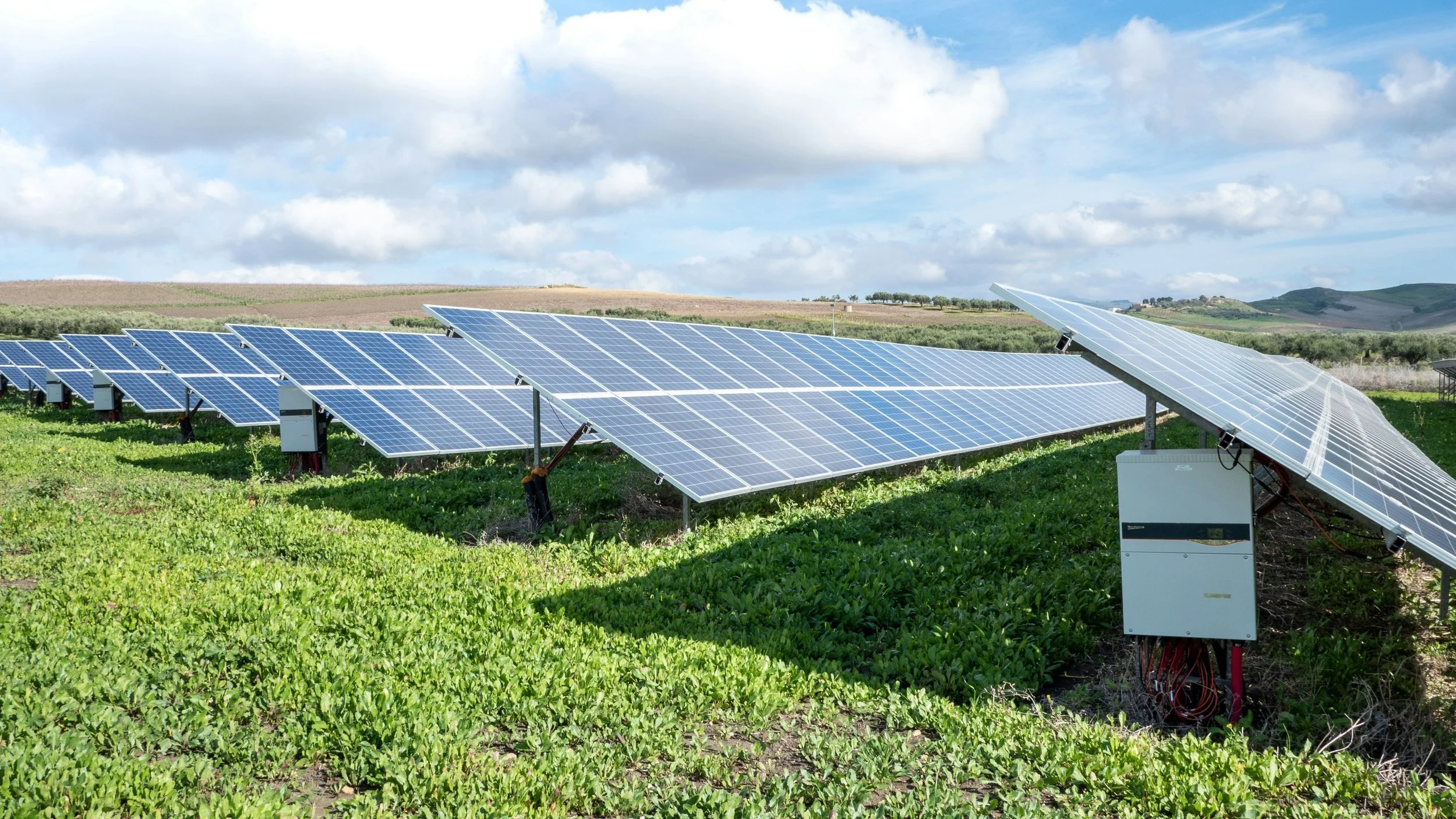
There’s long been a debate focused on land use and visual impact when it comes to solar farms, but beneath the rows of panels something more nuanced has been taking place. As Biodiversity Net Gain becomes embedded within the planning system - with its requirement for long-term monitoring and habitat management - solar developments are starting to show how these sites can be used to support wildlife alongside energy generation.
Solar panels typically operate for 25 - 30 years, during which time the land is no longer subject to the regular ploughing, reseeding and chemical inputs associated with intensive agriculture and instead shifts towards grassland management with grazing or cutting regimes, occasional maintenance access and (in some cases) more deliberate habitat creation.
What the Monitoring Is Showing
The Solar Habitat 2025 report produced by Solar Energy UK in collaboration with Lancaster University, brings together survey data from 124 solar sites across the UK and provides one of the first standardised datasets looking at how these landscapes are functioning ecologically.
Across those sites surveys recorded 28% Amber Listed and 20% Red Listed bird species including skylark, nightingale and cirl bunting, alongside nearly 3,000 butterflies and bumblebees representing 29 species and a total of 314 plant species. The data also includes records of mammals such as brown hare, badger and deer.
What emerges quite clearly is the influence of management. Sites using approaches such as conservation mowing or grazing, removing cuttings and creating a mix of habitat types consistently support a greater abundance and diversity of plants, invertebrates and birds than those maintained as closely mown grassland or under arable management. The presence of solar infrastructure alone isn’t what drives ecological value, it’s how the land around and beneath it is managed over time.
What Changes on the Ground
When assessing land for solar development, sites are often drawn from intensively managed arable fields or improved grassland, where frequent disturbance and chemical inputs can limit the range of species present. Transitioning these areas towards more diverse grassland, alongside features such as hedgerow reinforcement, field margins or small-scale habitat creation, creates opportunities for biodiversity to increase, particularly where those habitats are given time to establish and are managed consistently.
The monitoring data doesn’t provide a before-and-after comparison for individual sites, but it does show clear associations between more diverse habitat management and higher species richness and abundance across multiple groups.
Why Baseline Surveys Still Matter
Getting the outcome right depends heavily on understanding what’s already present. Baseline ecology surveys provide the starting point for that process, helping to identify existing habitats and species, shape habitat creation so it adds genuine value (rather than simply meeting requirements) and set monitoring targets that can be tracked over time.
The standardised approach developed through this work is particularly useful in that context, as it allows results from different sites to be compared in a consistent way, gradually building a clearer picture of what different management strategies are achieving as more data is collected.
What Drives the Difference
The variation between sites is an important part of the story. Some support a wide range of species across multiple groups, while others remain relatively species-poor, and that difference tends to come back to decisions made at the design and management stage, including how vegetation is managed beneath panels, whether habitat diversity is built into the layout and how consistently those measures are implemented.
Solar farms can support biodiversity, but the outcomes depend on the choices made early on and how those habitats are managed over time.
What Comes Next
With solar capacity expected to expand significantly over the coming years, the way these sites are designed and managed will have an increasing influence on the wider landscape. Used carefully, they offer an opportunity to introduce areas of lower-intensity land management into predominantly farmed environments, contributing to habitat networks and providing space for species that struggle under more intensive regimes.
The monitoring work underway is an important step in understanding how that potential plays out in practice, moving the conversation beyond assumptions and towards measurable outcomes.
If you’re planning a solar farm development and want to ensure it delivers meaningful biodiversity benefits alongside clean energy generation, we’d be happy to discuss how baseline surveys, habitat design and long-term management can be brought together to achieve that. Get in touch using the button below.