
Ecology Survey Planning for 2027
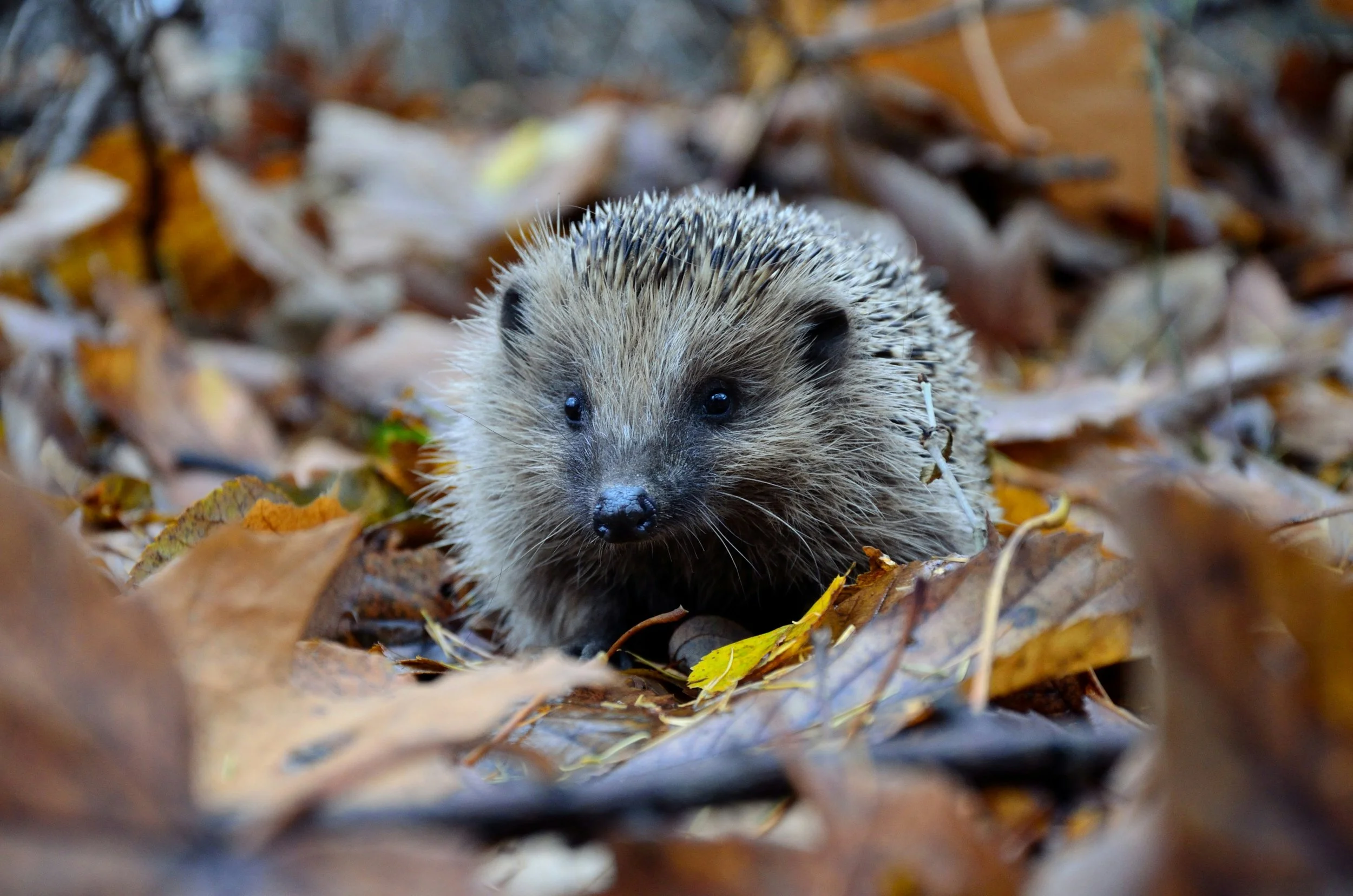
For developers with sites moving through planning, autumn is the perfect time to start planning next year's ecology surveys.
Why timing drives the whole process
Great crested newts can only reliably be surveyed between mid-March and mid-June, when they return to ponds to breed. Bat emergence and re-entry surveys need warm evenings between May and September, and reptiles, breeding birds, water voles and otters depend on similar conditions through spring and summer. Once a window closes for the year it doesn't reopen until the following spring, and missing it can delay a project by a year.
Most of these surveys also need several site visits spread across several weeks to months. Great crested newt surveys require four to six visits, with at least half falling between mid-April and mid-May. Bat surveys need visits spaced at least two weeks apart, and a building with high roost potential can require three visits in total. Breeding bird and bat activity surveys are often spread across the season, from April to September.
The gaps between visits come from the biology of the species being surveyed. Great crested newts need to be active and breeding, and bats need mild enough evenings to forage, so the full sequence can take a couple of months to complete even once conditions are right.
What can still be done now
A Preliminary Ecological Appraisal (PEA) can be carried out at any time of year, making it the sensible starting point for any site that hasn't had one. It combines a desk-based records search with a site walkover to check what habitats are present and whether protected species are likely, and its findings determine what further surveys are needed and when. Commissioning one in autumn means that picture is clear well before next year's season begins.
Badger surveys favour autumn too, since die-back in vegetation makes setts, latrines and other field signs easier to find. Preliminary bat roost assessments, which check buildings or trees for roost potential, can also be done year-round and are often easier once foliage has thinned.
What has to wait until next year
Great crested newt surveys cannot begin again until mid-March, and bat activity and emergence surveys need the warmer evenings from May onward. Breeding bird surveys depend on the spring/summer nesting season, while reptile, water vole and otter surveys need the milder conditions of April to September. If a PEA has flagged any of these species, book the survey work into next year's schedule now, as capacity in the key months fills up well before spring.
Regulatory changes worth factoring in
The Biodiversity Net Gain (BNG) regime also shifted this year. From 6 August 2026, developments of 0.2 hectares or below are exempt from mandatory BNG unless priority habitat is affected, and the previous self-build and custom-build exemption has been withdrawn. Nationally significant infrastructure projects (NSIPs) enter the mandatory BNG regime from 2 November 2026. Neither change removes the need for ecological survey data on most sites, since a BNG assessment and a protected species survey serve different purposes, but both are worth factoring into this autumn's planning.
Getting ahead of 2027
If your site is likely to need protected species surveys next year, autumn is the time to plan. Get in touch with our team to arrange a Preliminary Ecological Appraisal, or to talk through what your site will need ahead of the 2027 survey season.