Historic Royal Palaces
-
Heritage, Tourism & Charity
-
Historic Royal Palaces
-
London & Northern Ireland
-
Habitat Condition Assessments using UKHab Methodology
Botanical Assessments (FISC Level 4)
River Condition Assessments (pro-MoRPH)
QGIS Mapping
Biodiversity Impact Calculations (BIC) using the Statutory Biodiversity Metric
Invertebrate Surveys
Historic Ecological Data Review & Trends Analysis
Soil & Carbon Analysis
Client brief
Being awarded the Biodiversity Baseline Tender for Historic Royal Palaces (HRP) was a highlight for our team in 2024. As an independent charity that manages a portfolio of royal palaces, HRPs Sustainability Action Plan sets an ambitious target: to achieve nature-positive carbon net zero by 2050, adapting its gardens and parks to be more resilient to the effects of climate change. To work towards this, the charity needed robust and measurable ecological baselines established across four of its iconic sites.
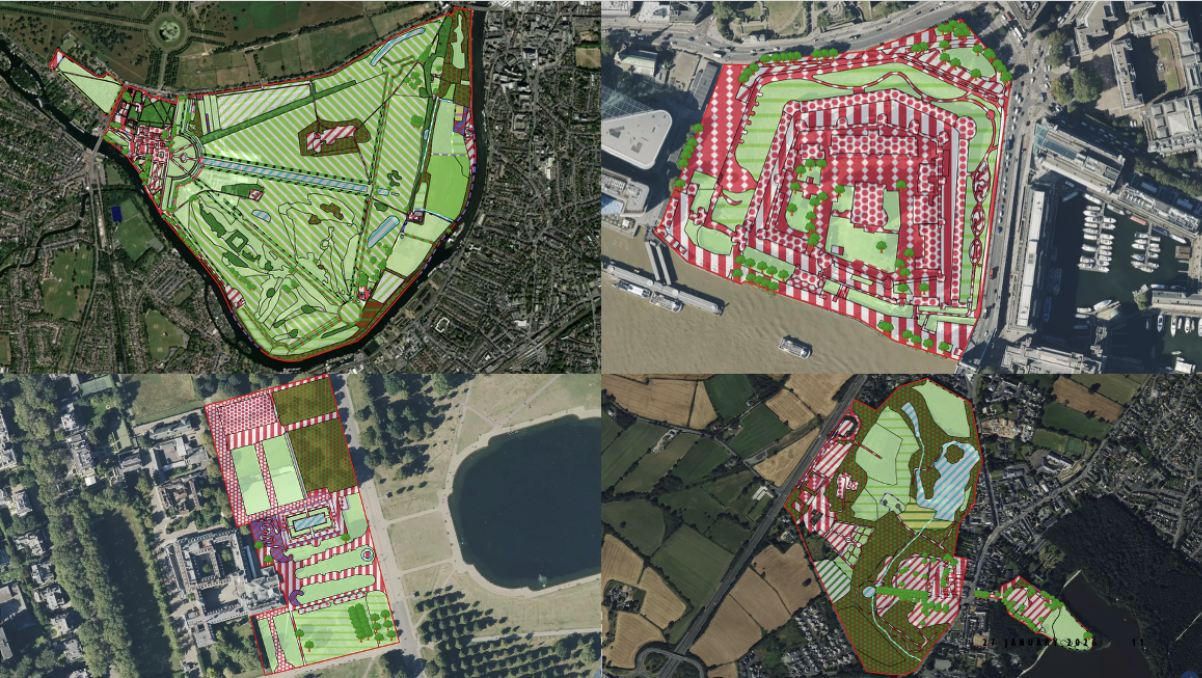
We were commissioned to undertake comprehensive UKHab surveys and Biodiversity Net Gain (BNG) baseline assessments across the following sites, which together span over 350ha:
Hampton Court Palace (299ha, including Bushy and Home Park Site of Special Scientific Interest)
Hillsborough Castle & Gardens (43.8ha), Northern Ireland
Tower of London (7.9ha)
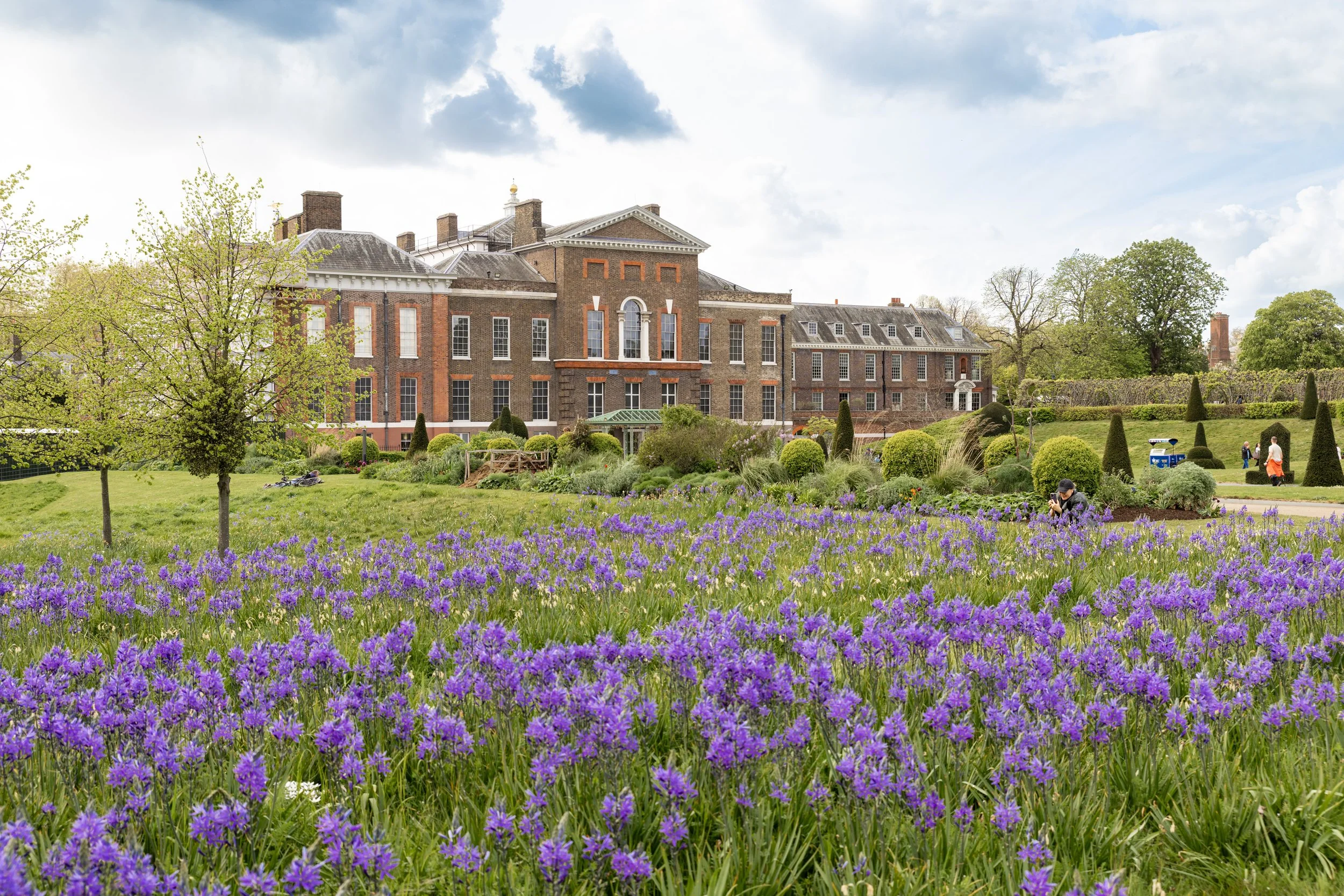
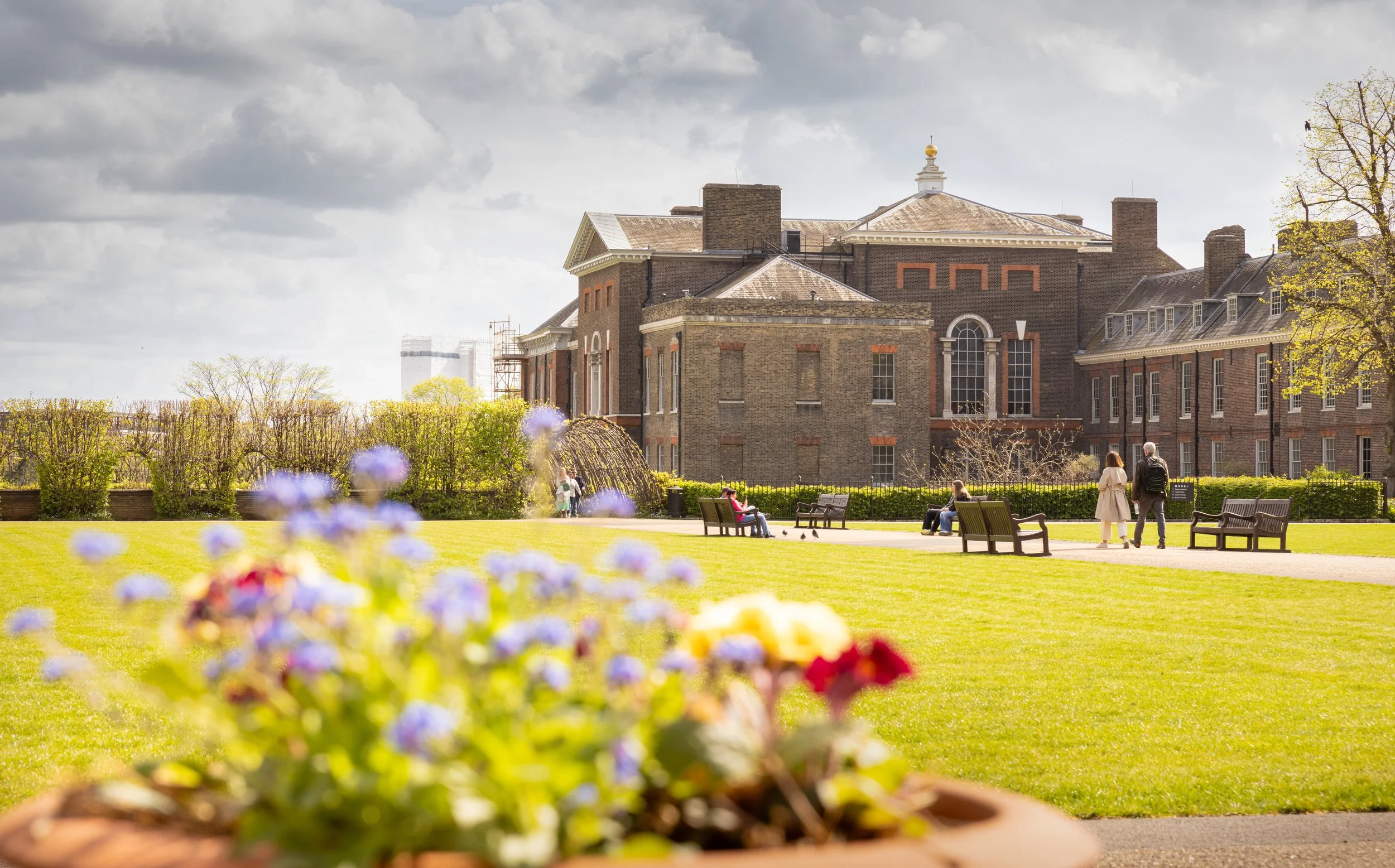
Kensington Palace & Gardens (3.46ha)
Solution we delivered
This work commenced in late 2024 and continued throughout 2025 with the initial phases now complete and further works ongoing following an expansion in project scope. Our approach combined thorough desktop assessment with extensive field surveys across all four sites.
Prior to fieldwork we undertook a detailed desktop review, drawing on data provided by HRP, the Local Environmental Records Centres (LERC), Multi-Agency Geographic Information for the Countryside (MAGIC) and Greenspace Information for Greater London (GIGL). At Hampton Court Palace this also included a comprehensive review of ecological survey data stretching back to 2000, enabling us to identify trends in habitat and species change over time. All data was integrated and mapped using QGIS with overlapping layers allowing ecological trends to be visualised and fieldwork to be strategically targeted.
Field assessments were conducted using UKHab Version 2.0 methodology, led by FISC Level 4 botanists. All habitat data was recorded directly into Coreo, our GPS-enabled digital field data collection platform, enabling accurate geo-referencing, real-time
condition assessments and seamless integration with our GIS outputs - improving both precision and efficiency while maintaining a transparent, evidence-based data trail.
River Condition Assessments (RCAs) were undertaken at Hampton Court Palace and the Tower of London using the professional Modular River Physical Survey (pro-MoRPH) methodology, with results entered into the Cartogtapher.io platform to generate river type classifications and condition scores for inclusion in BNG calculations.
Invertebrate assessments were led by specialist ecologists, including broad walkover surveys and opportunistic specimen collection at Hillsborough Castle, Hampton Court Palace, and Kensington Palace. Soil and water testing across all four sites was subcontracted to Farm Carbon Toolkit, providing carbon stock calculations and soil health analysis to inform future management recommendations.
Biodiversity Impact Calculations (BICs) using the Statutory Biodiversity Metric have been completed for all four sites, with targeted management recommendations being developed to maximise ecological gains, carbon storage and soil health.
Project outcomes
The survey work revealed considerable ecological richness across the portfolio. At Hampton Court Palace 38 distinct habitats were identified - including lowland dry acid grassland, wood pasture and parkland, traditional orchards, reedbeds, lowland mixed deciduous woodland, priority ponds and species-rich native hedgerows. Home Park supports a nationally important assemblage of saproxylic invertebrates (a designating feature of its SSSI), an important diversity of fungi, at least seven bat species with known tree roosts, 113 recorded bird species and extensive badger activity. Historic data analysis confirmed the presence of European eel within The Paddocks waterways and priority moth species across the site.
Images courtesy of Historic Royal Palaces