
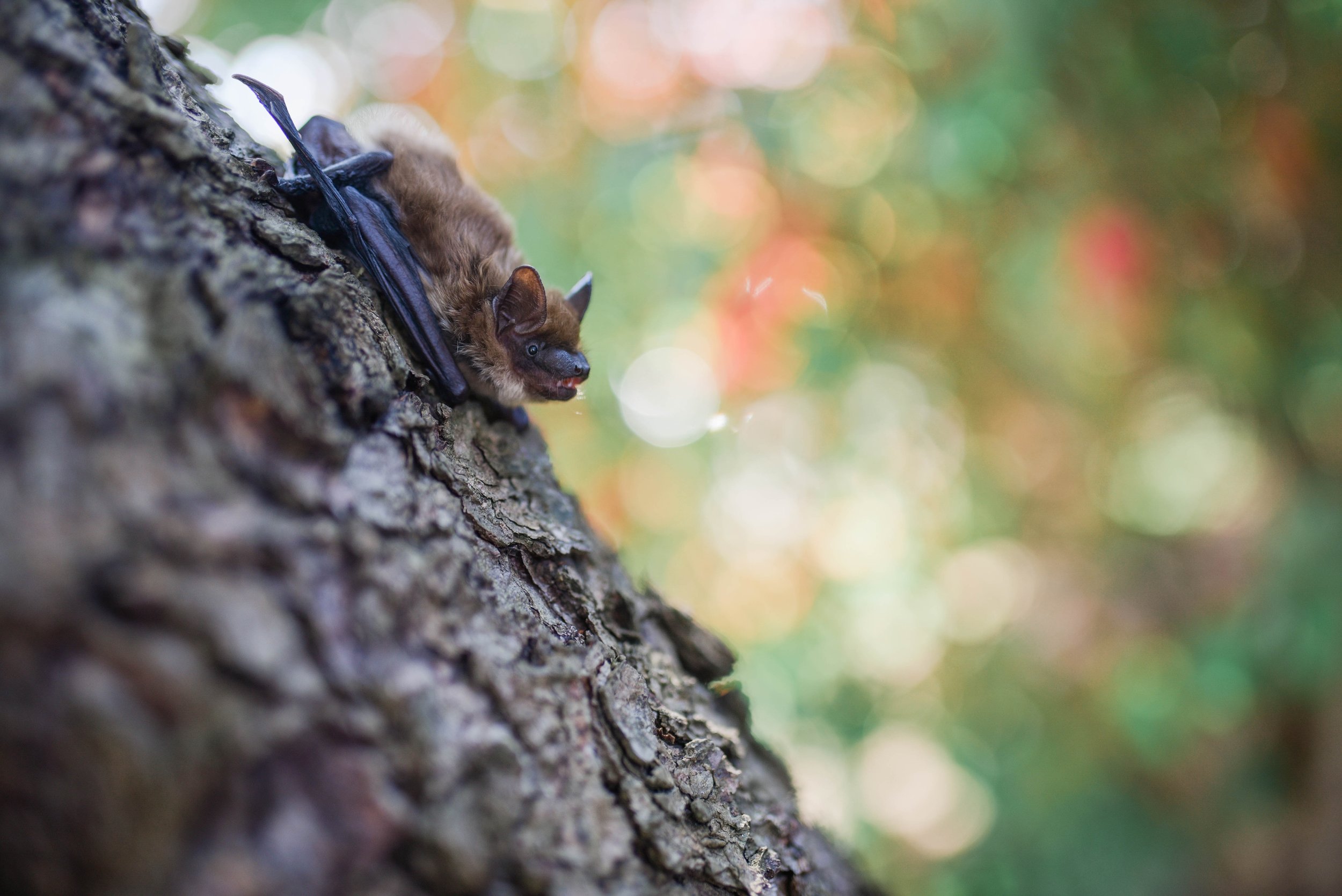
Bat Licensing Specialists
When is a Bat Licence Required?
From mitigation design to European Protected Species licence applications, we help projects progress where bats are a planning or legal constraint.
Whether you're converting a barn, redeveloping a commercial site or managing a complex planning condition, our licensed bat ecologists provide practical, compliant support throughout the licensing process.
Bat Licences for Development Projects
All bat species and their roosts are protected under UK law. If proposed works could disturb bats or damage or destroy a roost, a bat mitigation licence may be required before work can begin.
Licensing typically follows bat surveys and forms part of the wider planning and development process. Early advice can help reduce delays, avoid redesigns and ensure mitigation is built into the project from the outset.
We support clients, architects, planners and contractors through every stage of the process - from interpreting survey results to securing licences and overseeing mitigation works on site.

Our Bat Licensing Services
We provide specialist support for projects requiring bat mitigation licences, including:
European Protected Species licence (EPSL) applications
Bat mitigation licence strategy and planning support
Mitigation design and method statements
Natural England licence applications
Reasonable Avoidance Measures (RAMs)
Construction method statements
Roost retention and compensation design
Bat loft and integrated roost feature design
Licensed supervision and Ecological Clerk of Works (ECoW)
Post-development monitoring
Discharge of planning conditions
Advice for architects, developers and contractors
When is a bat licence required?
A bat licence may be required where development works could affect a bat roost or disturb bats during construction. This often includes projects involving roof works, demolition, barn conversions, infrastructure upgrades and the redevelopment of older buildings.
A bat license is required for any impacts that would destroy or modify a bat roost, typically following a suitable survey effort to classify the nature of the roost present. The complexity of the licence will depend on factors such as the species present, the importance of the roost and the scale of the proposed impacts.
Because licensing sits alongside planning and construction programmes, early ecological input is often critical. Bringing a bat licensing specialist into a project at an early stage can help avoid delays, reduce redesign work and ensure mitigation requirements are considered before works begin on site.
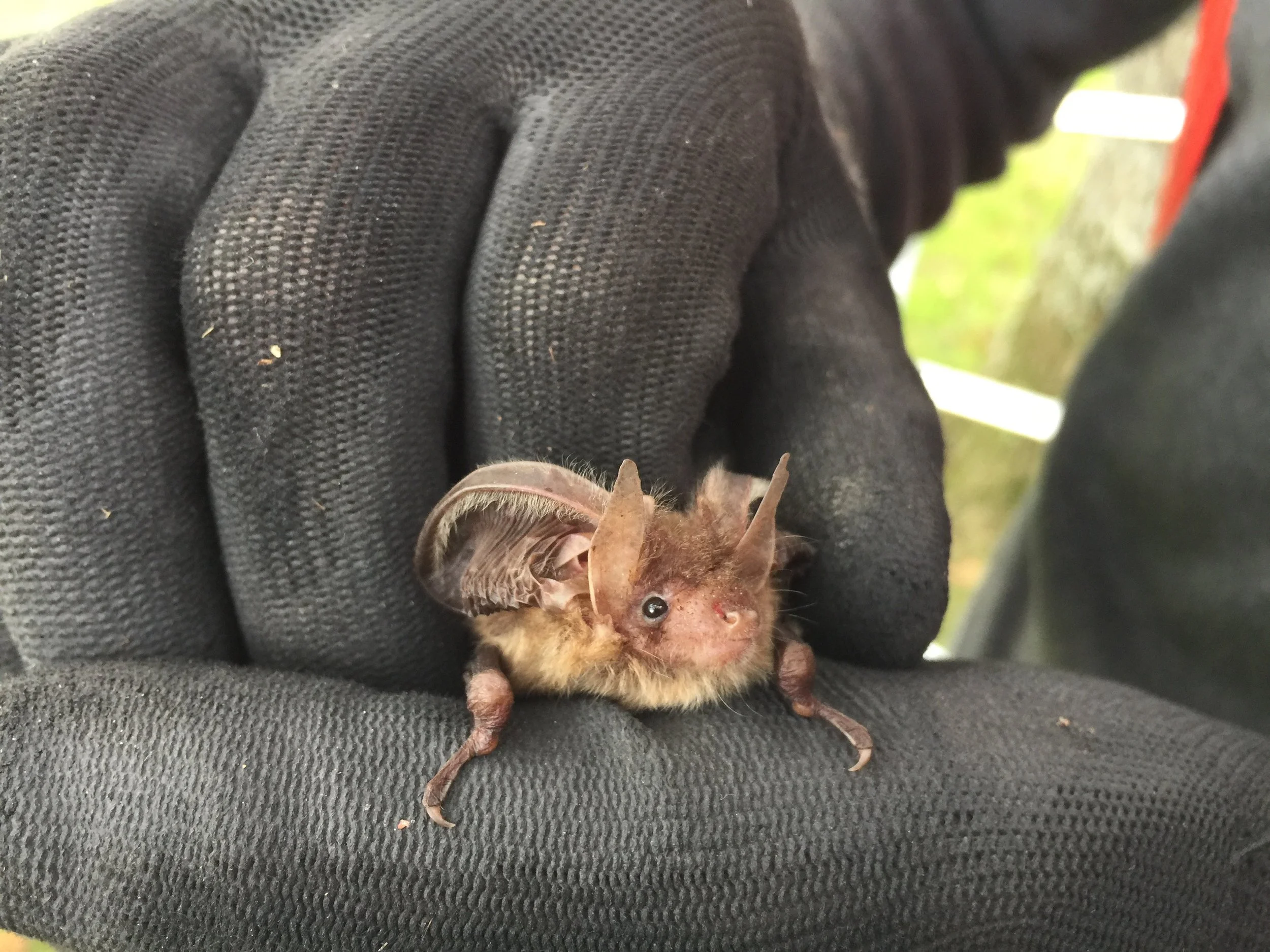
Successful bat licensing relies on mitigation that is both ecologically robust and practical to deliver.
We work closely with architects, developers and project teams to design mitigation strategies that maintain roosting opportunities while supporting the wider aims of the project. Depending on the site, this may include retaining existing roost features, incorporating integrated bat boxes, creating dedicated bat loft spaces or designing sensitive lighting strategies that protect commuting and foraging routes.
Where compensation is required, we aim to develop solutions that are proportionate, deliverable and tailored to the behaviour of the species present. Our team also advises on construction timing, working methods and long-term monitoring requirements to help ensure compliance throughout the project lifecycle.
Mitigation & Compensation Design
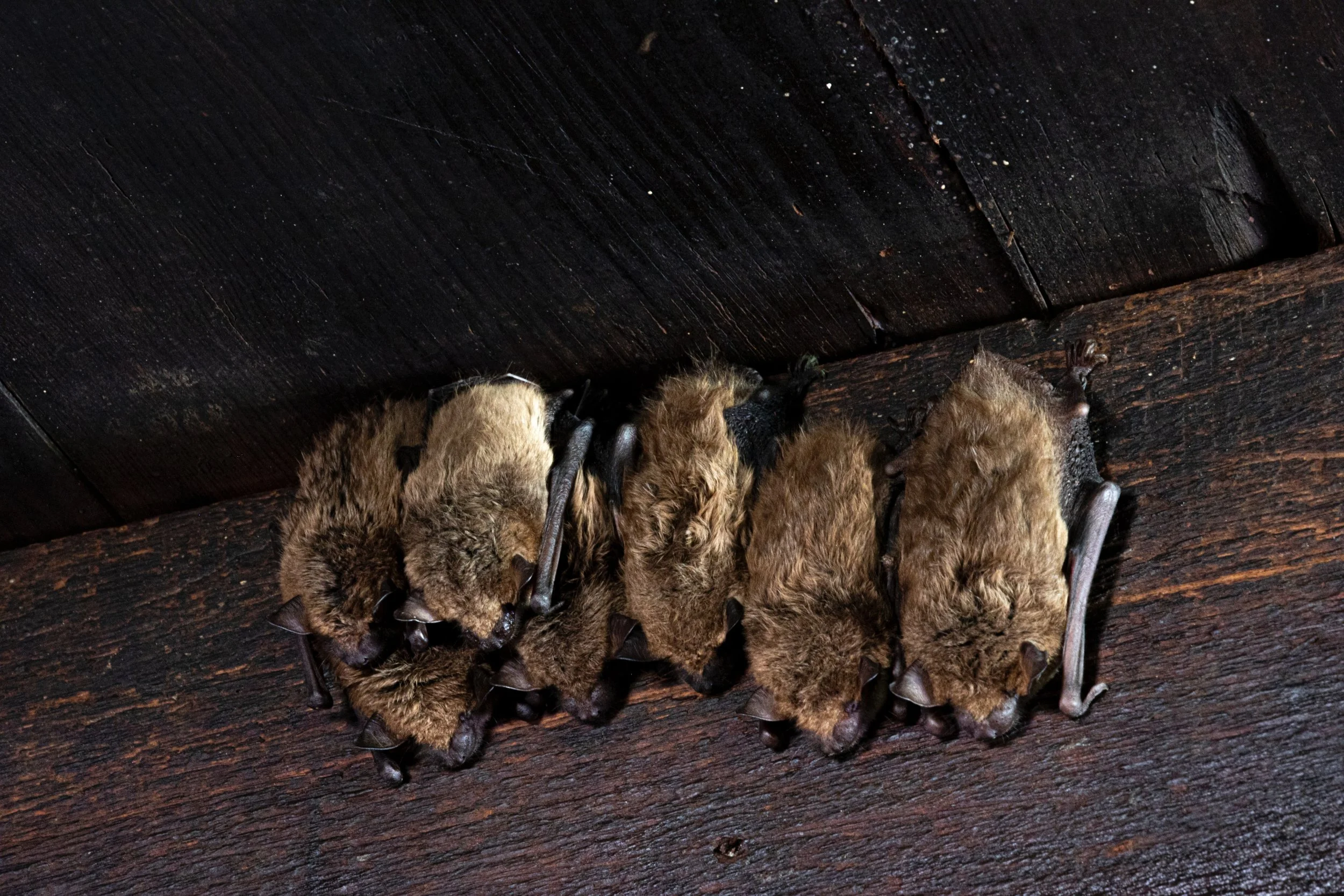

Complex Bat Licensing Projects
Some sites require a more advanced licensing approach, particularly where works affect maternity roosts, hibernation sites, historic buildings or large multi-phase developments.
Our team has experience supporting complex projects involving rare or sensitive species, constrained development sites and licensed trapping and radio tracking. We understand the balance required between ecological protection, planning requirements and programme pressures, and work collaboratively with clients to develop clear, pragmatic solutions.
Contact Us
Contact us for a bat survey quote below.